
Blog
How Often Should You Replace Your Mattress? Guide 2025
Wondering how often should you replace your mattress? Most mattresses need replacing every 7-10 years, but this timeline varies significantly by mattress type—latex mattresses last up to 15 years, while innerspring models may need replacement after just 5-6 years. Your sleeping habits, body weight, and maintenance routines also impact longevity.
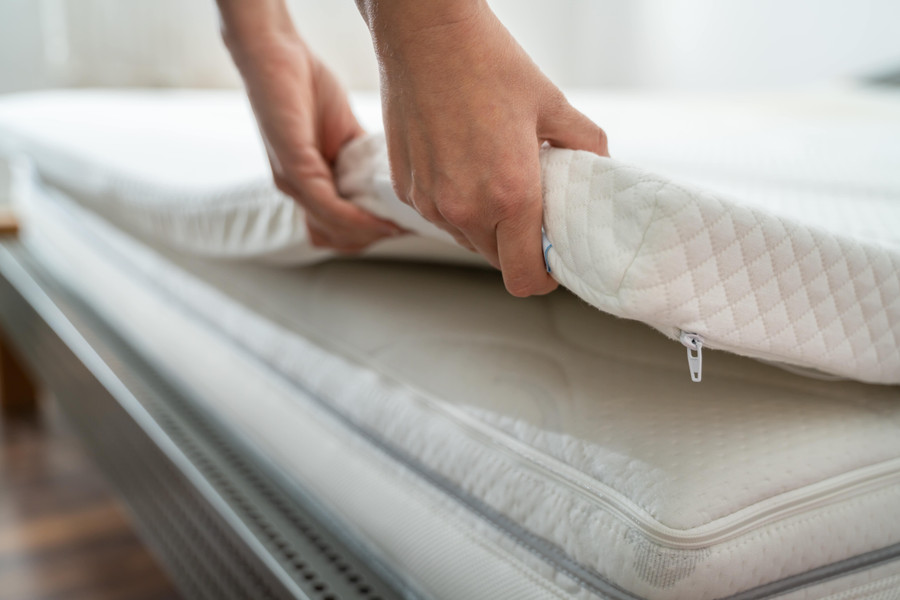
Sleeping on an outdated mattress affects more than comfort—it impacts your health, sleep quality, and daily performance. Worn mattresses harbor dust mites, lose support causing back pain, and prevent the deep, restorative sleep your body needs. Recognizing when to replace your mattress protects both your health and your $800-2,000 investment.
General Mattress Replacement Timeline
Standard recommendation: Replace every 7-10 years
This timeframe applies to most quality mattresses under normal use conditions. However, several factors affect whether yours falls on the shorter or longer end of this range:
Factors shortening lifespan (closer to 5-7 years):
- Lower quality materials or construction
- Heavier body weight (more compression stress)
- Couples sleeping together (double the wear)
- Pets sleeping on bed regularly
- Infrequent rotation or poor maintenance
Factors extending lifespan (closer to 10-15 years):
- Premium materials (natural latex, high-density foam)
- Single sleeper with average weight
- Regular rotation every 3-6 months
- Use of mattress protector from day one
- Guest bed or infrequent use
Why the 7-10 year rule exists:
After years of nightly use, every mattress experiences:
- Material breakdown: Foams lose density, springs weaken, latex compresses
- Accumulation: Dust mites, dead skin cells, body oils, and allergens build up
- Support loss: Even if not visibly sagging, internal structure deteriorates
- Comfort decline: Materials no longer respond as designed
Think of your mattress like car tires—they have a functional lifespan regardless of visible wear. Replace proactively rather than waiting for catastrophic failure.
Mattress Lifespan by Type
Different materials age at dramatically different rates. Knowing your mattress type helps predict when replacement becomes necessary.
Innerspring Mattresses: 5.5-6.5 Years
Shortest lifespan of common mattress types due to coil-based construction.
Why they wear out faster:
- Metal springs weaken and lose tension over time
- Coils can break, poke through fabric, or become noisy
- Padding layers compress faster than foam alternatives
- Less motion isolation accelerates wear with partners
Signs of failure:
- Squeaking or creaking sounds when moving
- Feeling coils through comfort layer
- Visible sagging in sleep areas
- Loss of bounce and support
Extending innerspring life:
- Rotate 180 degrees every 6 months
- Flip if double-sided (check manufacturer specifications)
- Use mattress protector to prevent moisture reaching springs
- Ensure proper foundation support
Memory Foam Mattresses: 8-10 Years
Good durability with proper care, though quality varies widely by foam density.
Lifespan factors:
- High-density foam (5+ lbs per cubic foot): 10+ years
- Medium-density foam (4-5 lbs): 8-10 years
- Low-density foam (under 4 lbs): 5-7 years
How memory foam ages:
- Loses responsiveness (slower to bounce back)
- Develops permanent body impressions
- May sleep hotter as airflow decreases
- Edges soften and lose support
Care requirements:
- Rotate 180 degrees every 3-6 months
- Never flip (one-sided design)
- Avoid moisture exposure (foam doesn’t dry easily)
- Use breathable mattress protector
Pro tip: Memory foam mattresses with gel infusions or copper particles typically maintain cooler sleep temperatures and may resist compression better than traditional foam.
Latex Mattresses: 12-15 Years
Longest-lasting mattress type, especially natural latex models.
Why latex lasts longer:
- Natural resilience—bounces back without losing shape
- Resistant to dust mites and mold naturally
- Doesn’t develop permanent impressions easily
- Maintains consistent support throughout lifespan
Natural vs. synthetic latex:
- Natural latex: 12-15 years (sometimes 20+ with excellent care)
- Synthetic latex: 8-10 years
- Blended latex: 10-12 years
Maintenance tips:
- Rotate 1-2 times per year (less frequent than foam)
- Keep away from direct sunlight (breaks down material)
- Use foundation that allows airflow
- Avoid petroleum-based cleaners
Cost consideration: Latex mattresses carry higher upfront costs ($1,500-3,000+), but the extended lifespan often makes them more economical long-term than replacing cheaper mattresses more frequently.
Hybrid Mattresses: 8-10 Years
Balanced lifespan combining foam comfort with coil support.
Construction impact:
- Quality of both foam AND coils affects longevity
- Premium hybrids with pocketed coils last longer
- Foam thickness and density in comfort layer matters
- Edge support typically degrades before center
Care approach:
- Rotate every 3-6 months
- Most are one-sided (check before flipping)
- Support both foam and spring components with proper foundation
- Protector essential to prevent moisture reaching coils
Hybrid advantage: Combines foam comfort without foam’s heat retention issues and coil support without traditional innerspring durability problems.
9 Warning Signs You Need a New Mattress
Don’t wait for your mattress to completely fail. These signs indicate replacement time has arrived:
#1: Your Mattress is 7+ Years Old
Age alone warrants consideration, even without obvious problems.
After 7-10 years:
- Internal materials have degraded (even if not visible)
- Dust mite populations have reached problematic levels
- You’ve likely gained or lost weight, changing support needs
- Sleep technology has improved significantly
Check purchase date: If you can’t remember when you bought your mattress, that’s probably a sign it’s too old.
#2: Visible Sagging or Body Impressions
Any sagging over 1.5 inches indicates structural failure requiring replacement.
Where to check:
- Areas where you sleep regularly
- Center of bed (especially for couples)
- Edges (test by sitting—should remain firm)
Why sagging matters:
- Misaligns spine causing back and neck pain
- Creates uncomfortable “roll together” effect for couples
- Indicates internal material breakdown
- Can’t be fixed—only replacement solves this
Quick test: Lay a broomstick across your mattress. Gaps underneath reveal sagging areas.
#3: Tears, Lumps, or Frayed Seams
Physical damage beyond surface level indicates internal problems.
Visible wear includes:
- Ripped fabric exposing internal materials
- Loose or frayed stitching along seams
- Lumpy areas where fill has shifted
- Protruding springs or hard spots
Even small tears worsen quickly as internal materials shift and compress unevenly.
#4: You Wake Up Tired Despite Adequate Sleep Hours
Poor sleep quality is often your body telling you the mattress isn’t working.
Sleep deprivation signs:
- Difficulty waking even after 7-9 hours
- Grogginess lasting into late morning
- Needing naps or excess caffeine
- Falling asleep faster in other beds (hotels, friends’ homes)
Connection to mattress: Worn mattresses prevent deep sleep cycles essential for feeling rested. You may sleep 8 hours but only achieve 5 hours of quality rest.
#5: Morning Aches and Pains
Waking with discomfort that improves throughout the day points to mattress problems.
Common complaints:
- Lower back pain or stiffness
- Neck and shoulder tension
- Hip pressure points (side sleepers)
- General body soreness
Rule out other causes first:
- Recent injury or new physical activity
- Medical conditions (arthritis, fibromyalgia)
- New pillow (neck issues)
- Sleeping position changes
The mattress test: If pain improves significantly when sleeping elsewhere, your mattress is likely the culprit.
#6: Increased Allergy Symptoms
Nighttime and morning allergies often worsen with mattress age.
What accumulates in mattresses:
- Dust mites (each mattress can harbor millions)
- Dust mite waste (primary allergen trigger)
- Pet dander
- Mold spores (in humid environments)
- Pollen tracked from outdoors
Allergy indicators:
- Sneezing, congestion upon waking
- Itchy, watery eyes at night
- Worsening asthma symptoms
- Skin irritation or rashes
Cleaning helps but doesn’t solve: Regular mattress cleaning reduces allergens temporarily, but older mattresses have buildup too deep to remove completely.
#7: Noticeable Squeaking or Creaking
Noisy mattresses indicate spring failure or foundation problems.
Identify the source:
- Lie still, then move around slowly
- If noise occurs with movement, it’s likely the mattress
- If noise happens when getting in/out, check box spring or frame first
What noise means:
- Springs have weakened or broken
- Coils rubbing together (lost padding between them)
- Foundation failure transferring to mattress
Temporary fixes don’t last: While you can sometimes tighten bed frames, spring noise indicates replacement time.
#8: You Sleep Better Away From Home
Hotel or guest bed comfort reveals your home mattress deficiencies.
Ask yourself:
- Do you sleep more soundly in hotels?
- Wake more refreshed at friends’ houses?
- Dread returning to your own bed?
- Make excuses to sleep on the couch?
This comparison is revealing—your body knows what good support feels like and rejects what’s no longer working.
#9: Your Sleep Partner’s Movements Wake You
Motion transfer problems develop as mattress materials break down.
Progressive motion isolation loss:
- Year 1-3: Minimal transfer, sleep undisturbed
- Year 4-6: Occasional wake-ups from partner movement
- Year 7+: Regular sleep disruption from normal movements
Why it worsens: Foam loses its ability to absorb motion, and springs become less responsive, transferring vibrations instead of dampening them.
Couples note: If you’re considering separate beds due to motion transfer, try a new mattress first—modern designs offer excellent motion isolation.
Factors Affecting Your Mattress Lifespan
Beyond material type, these factors significantly impact how long your mattress remains serviceable.
Body Weight and Sleep Position
Heavier sleepers compress materials faster:
- Under 150 lbs: Mattress typically reaches upper end of lifespan range
- 150-230 lbs: Average expected lifespan
- Over 230 lbs: May need replacement 1-2 years earlier than average
Sleep position matters:
- Side sleepers: Create deeper impressions at hips and shoulders
- Back sleepers: More even weight distribution, less localized wear
- Stomach sleepers: Less pressure but need firmer support longer
Number of Sleepers
Single sleepers vs. couples:
- Solo sleeping: Reduces wear by approximately 30-40%
- Couple sleeping: Double the weight, movement, and body heat
- Partner weight difference: Causes uneven mattress breakdown
Children and pets:
- Kids jumping on bed accelerates structural damage
- Pets add weight, movement, hair, and potential accidents
- Guest bed occasional use can extend lifespan to 12-15 years
Maintenance Quality
Regular care extends lifespan significantly:
Rotating schedule:
- Every 3 months: Optimal for heavy use
- Every 6 months: Adequate for average use
- Annually: Minimum for latex mattresses
Mattress protector use:
- Prevents liquid damage and stains
- Blocks dust mites and allergens
- Reduces cleaning frequency needed
- Can add 2-3 years to usable life
Cleaning frequency:
- Deep clean every 6 months (see our cleaning guide)
- Spot clean spills immediately
- Vacuum monthly to remove surface debris
Environmental Factors
Room conditions affect materials:
Humidity levels:
- High humidity: Promotes mold, mildew, dust mites
- Low humidity: Can dry out and crack certain materials
- Ideal: 30-50% relative humidity
Temperature:
- Extreme heat: Breaks down foam and adhesives faster
- Temperature fluctuations: Stress materials
- Consistent cool temps: Ideal for longevity
Sunlight exposure:
- UV rays degrade latex and foam
- Causes yellowing and material breakdown
- Keep mattress away from direct windows
How to Extend Your Mattress Lifespan
Maximize your investment with these proven maintenance strategies:
Use a Quality Mattress Protector
Non-negotiable for longevity—protectors are your mattress’s first defense.
Benefits:
- Waterproof barrier prevents liquid damage
- Blocks 99% of dust mites and allergens
- Machine washable for easy maintenance
- Adds minimal bulk or heat
Types to consider:
- Waterproof: Essential for kids, pets, or accidents
- Cooling: For hot sleepers needing breathability
- Hypoallergenic: For allergy sufferers
- Quilted: Adds slight comfort layer
Cost vs. value: A $50-100 protector can add 2-3 years to a $1,500 mattress—excellent ROI.
Rotate Regularly (Don’t Skip This!)
Rotation prevents uneven wear and is the single most effective maintenance task.
Rotation schedule by type:
- Memory foam/hybrid: Every 3-6 months
- Innerspring: Every 3-6 months (flip if double-sided)
- Latex: Every 6-12 months
- New mattress: Every 3 months first year
How to rotate:
- Strip all bedding
- Rotate 180 degrees (head becomes foot)
- For double-sided: Also flip top to bottom
- Mark calendar for next rotation
Why it works: Distributes wear across entire surface, preventing permanent body impressions in one spot.
Ensure Proper Foundation Support
Wrong foundation accelerates mattress breakdown regardless of quality.
Foundation requirements:
- Memory foam/latex: Solid platform or slatted base (slats max 3 inches apart)
- Innerspring/hybrid: Box spring or sturdy platform
- All types: Level, supportive, no sagging
Check your foundation:
- Should not sag or bend under mattress weight
- Slats shouldn’t be cracked or broken
- Box springs lose support after 8-10 years
- Floor sleeping prevents airflow (mold risk)
Replace foundation with mattress: Old box springs void new mattress warranties and cause premature sagging.
Clean and Maintain Properly
Regular maintenance prevents premature aging:
Monthly:
- Vacuum mattress surface with upholstery attachment
- Check for stains or damage
- Wash mattress protector
Every 6 months:
- Deep clean using our mattress cleaning guide
- Inspect for wear and tear
- Assess if rotation schedule needs adjustment
Annually:
- Professional cleaning (optional)
- Evaluate overall condition
- Consider replacement if 7+ years old
Avoid damage:
- No jumping or rough play
- Don’t bend or fold mattress
- Keep pets’ nails trimmed
- Address spills immediately
When Replacement Isn’t Urgent But Recommended
Sometimes mattresses are functional but no longer optimal:
Consider upgrading if:
- Your sleep needs have changed (injury, pregnancy, aging)
- Partner’s weight or sleep position significantly changed
- You’ve developed new allergies or sensitivities
- Better technology available addresses your issues (cooling, motion isolation)
- Current mattress was budget option, can now afford premium
Lifestyle changes affecting needs:
- Weight change of 30+ pounds
- New chronic pain or medical condition
- Partner snoring requires motion isolation
- Hot flashes or night sweats need cooling features
Frequently Asked Questions
How do I know if my mattress needs replacing?
Check for these signs: 7+ years old, visible sagging over 1.5 inches, waking with aches and pains, increased allergies, sleeping better away from home, or persistent odors. If you have multiple warning signs, replacement time has arrived. One or two minor issues might be addressed with a mattress topper temporarily.
Can I just buy a mattress topper instead of replacing my mattress?
Toppers temporarily improve comfort but don’t fix structural problems like sagging, broken springs, or allergen buildup. Use toppers to adjust firmness on newer mattresses or buy time (6-12 months) while saving for replacement. Don’t rely on toppers for severely worn mattresses—they won’t provide proper support.
Does mattress firmness affect how long it lasts?
Firmness preference doesn’t significantly impact lifespan, but material quality does. A firm budget mattress won’t outlast a plush premium mattress just because it’s firmer. However, firmer mattresses may show visible wear (sagging) later than soft ones, even if internal breakdown occurs similarly.
Should I replace my mattress after a certain number of years even if it seems fine?
Yes, after 10 years maximum. Even mattresses that feel acceptable have accumulated millions of dust mites, lost internal support (not always visible), and degraded materials. Your body adapts gradually to declining support, so you may not realize how much better a new mattress feels until you try one.
What should I do with my old mattress?
Options include donation (if under 7 years and good condition), recycling (mattress recycling facilities disassemble and recycle 70-90% of materials), retailer take-back programs (many offer removal with new purchase), or municipal bulk pickup. Never leave mattresses on curbs illegally—check local regulations.
Do mattress warranties guarantee they’ll last that long?
No. Warranties cover manufacturing defects, not normal wear and tear. A 10-year warranty doesn’t mean the mattress will be comfortable for 10 years—just that it won’t have defective materials or construction during that period. Warranties typically require less than 1.5 inches of sagging to qualify for claims.
The Bottom Line on Mattress Replacement
Replace your mattress every 7-10 years on average, with specific timelines varying by type: innerspring (5.5-6.5 years), memory foam (8-10 years), latex (12-15 years), and hybrid (8-10 years). Don’t wait for catastrophic failure—proactive replacement prevents health issues and ensures quality sleep.
Key takeaways:
- Watch for 9 warning signs indicating replacement time
- Extend lifespan with regular rotation, protectors, and proper care
- Body weight, partners, and maintenance quality significantly affect longevity
- Proper foundation support prevents premature mattress breakdown
Related guides:
- How to clean a mattress (maintenance extending lifespan)
- How to flip a mattress (rotation and flipping schedules)
- How to dry a wet mattress (emergency care after accidents)
Investing in quality sleep through timely mattress replacement pays dividends in health, productivity, and daily comfort. Your body deserves proper support—don’t compromise on sleep quality.
About Palladecor: We provide expert guidance on home care and sleep health, helping you make informed decisions about bedding and creating healthy living spaces.