
Blog
How much should a weighted blanket weigh? Quick Guide
Choosing the wrong weight is the #1 reason people return or stop using weighted blankets. A weighted blanket should weigh approximately 10% of your body weight—though the ideal range varies between 5-12% based on personal preference and comfort.
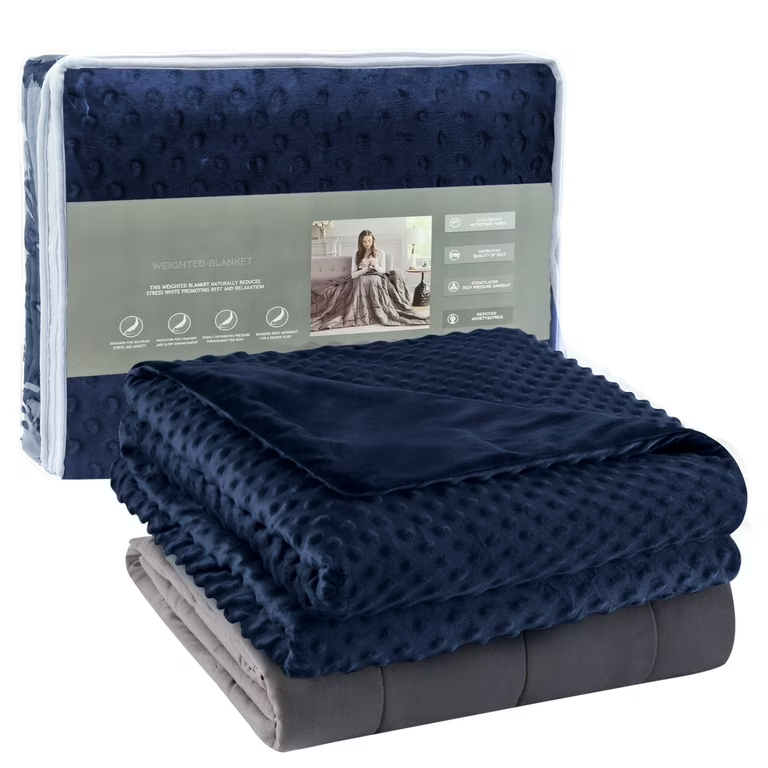
This guide breaks down exactly how to calculate your perfect weighted blanket weight, when to go lighter or heavier, and important safety considerations.
Quick Answer: The 10% Rule
Standard recommendation: Your body weight × 10% = blanket weight
Examples:
- 150 lbs body weight = 15 lb blanket
- 200 lbs body weight = 20 lb blanket
- 100 lbs body weight = 10 lb blanket
Acceptable range: 5-12% of body weight for most adults
When in doubt: Always start lighter. A too-light blanket is inconvenient; a too-heavy blanket is uncomfortable and potentially unsafe.
How to Calculate Your Ideal Weighted Blanket Weight
Step 1: Determine Your Body Weight
Use your current weight, not a goal weight. The blanket needs to work for your body right now.
Step 2: Calculate 10%
Simple math: Body weight ÷ 10 = recommended blanket weight
Quick calculation:
- 120 lbs → 12 lb blanket
- 140 lbs → 14 lb blanket
- 160 lbs → 16 lb blanket
- 180 lbs → 18 lb blanket
- 200 lbs → 20 lb blanket
Step 3: Consider Your Comfort Range
You can adjust within 5-12% based on preference:
| Your Weight | 5% (Lighter) | 10% (Standard) | 12% (Heavier) |
|---|---|---|---|
| 100 lbs | 5 lbs | 10 lbs | 12 lbs |
| 120 lbs | 6 lbs | 12 lbs | 14 lbs |
| 150 lbs | 7.5 lbs | 15 lbs | 18 lbs |
| 180 lbs | 9 lbs | 18 lbs | 21 lbs |
| 200 lbs | 10 lbs | 20 lbs | 24 lbs |
| 220 lbs | 11 lbs | 22 lbs | 26 lbs |
Most common weights available: 12, 15, 17, 20, 22, 25 lbs
Step 4: Round to Available Weights
Blankets come in standard weights (usually 12, 15, 17, 20, 25 lbs). Pick the closest option to your calculation.
Rounding tip: If you’re between two weights, choose the lighter option—especially if this is your first weighted blanket.
When to Go Lighter (5-8% Range)
Choose a lighter blanket if you:
Sleep hot: Lighter blankets are less insulating and more breathable.
Are a side sleeper: Heavy blankets can put uncomfortable pressure on shoulders and hips in side positions.
Move frequently during sleep: Easier to shift positions with less weight.
Feel claustrophobic easily: Start light to ensure you don’t feel trapped.
Are new to weighted blankets: Test the concept with less commitment.
Share a bed: Your partner may not want the extra weight affecting their side.
Have smaller body frame: Even at the same weight, smaller people may prefer lighter pressure.
When to Go Heavier (10-12% Range)
Choose a heavier blanket if you:
Sleep on your back: Back sleeping distributes weight more evenly, making heavier blankets comfortable.
Want maximum pressure: More weight = more deep pressure stimulation for anxiety relief.
Are a restless sleeper: Extra weight can have a more calming, anchoring effect.
Sleep cold: Heavier blankets typically provide more warmth.
Have used weighted blankets before: You know you like the sensation and want more.
Are larger-framed: Taller or broader bodies may not feel lighter weights as effectively.
Special Considerations for Couples
Option 1: Each Person Gets Their Own
Best solution: Two separate weighted blankets customized to each person’s weight.
Pros:
- Perfect weight for each person
- No compromise needed
- Can choose different materials/textures
Cons:
- More expensive
- Two blankets on one bed can feel bulky
- Less cozy cuddling space
Option 2: Calculate Based on Heavier Person
Compromise approach: Use the heavier person’s calculation at the lower end (5-7%).
Example:
- Person 1: 140 lbs
- Person 2: 180 lbs
- Shared blanket: 15-17 lbs (based on 180 lbs person)
Works if: Weight difference isn’t too extreme and lighter person is okay with slightly more pressure.
Option 3: Use Average Weight
Calculate the midpoint between both partners’ weights.
Example:
- Person 1: 140 lbs (14 lb ideal)
- Person 2: 200 lbs (20 lb ideal)
- Average: 170 lbs (17 lb blanket)
Reality check: Compromises often mean neither person gets their ideal weight. Separate blankets work better for most couples.
Weighted Blanket Weight for Children
Age minimum: 3 years old minimum (never for infants or toddlers under 3)
Weight minimum: Child must weigh at least 50 lbs
Calculation: Use 10% rule but always round down for safety
Safety first: Consult your pediatrician before purchasing a weighted blanket for any child.
Children’s Weight Chart
| Child’s Weight | Recommended Blanket Weight |
|---|---|
| 50-60 lbs | 3-5 lbs |
| 60-80 lbs | 5-7 lbs |
| 80-100 lbs | 7-10 lbs |
| 100-120 lbs | 10-12 lbs |
Important safety rules for kids:
- Child must be able to remove blanket independently
- Never use for sleeping infants or toddlers
- Supervise initial uses
- Stop immediately if child complains of discomfort
Medical note: Some studies show weighted blankets don’t improve sleep for children with autism or ADHD, though many kids still enjoy the comfort. Always prioritize safety over marketed benefits.
Why the 10% Rule Works
The Science of Deep Pressure Stimulation
Weighted blankets work through “deep pressure touch stimulation” (DPTS):
What happens: Gentle, distributed pressure triggers the nervous system to:
- Release serotonin (mood regulation)
- Release dopamine (feeling of reward/calm)
- Lower cortisol (stress hormone)
- Activate the parasympathetic nervous system (rest mode)
Why 10%: This amount provides enough pressure to trigger these responses without being so heavy that it:
- Restricts breathing
- Prevents natural sleep movements
- Creates discomfort or anxiety
- Affects circulation
Too light (under 5%): May not provide enough pressure to trigger calming effect.
Too heavy (over 12-15%): Pressure becomes uncomfortable, restrictive, or potentially dangerous.
Signs Your Weighted Blanket Weight Is Wrong
Too Heavy (Reduce Weight)
Physical signs:
- Difficulty moving or adjusting position
- Feeling trapped or claustrophobic
- Shallow breathing or breathing difficulty
- Waking with sore muscles
- Restless sleep or frequent waking
- Morning fatigue instead of feeling refreshed
What to do: Try a blanket 2-3 lbs lighter. Sometimes small changes make a big difference.
Too Light (Increase Weight)
Effectiveness signs:
- No noticeable calming effect
- Doesn’t feel substantially different from regular blanket
- Blanket shifts or bunches easily
- Not getting the “hugged” sensation
- No improvement in sleep quality or anxiety
What to do: Try a blanket 2-3 lbs heavier, but don’t exceed 12% of body weight.
Common Weighted Blanket Weight Mistakes
Mistake 1: Buying Before Measuring
The problem: Guessing your weight or using outdated numbers leads to wrong blanket weight.
The fix: Weigh yourself the day you shop for a weighted blanket.
Mistake 2: Using Goal Weight Instead of Current Weight
The problem: Buying a 12 lb blanket because you want to weigh 120 lbs, but you currently weigh 150 lbs.
The fix: Base calculation on your actual current weight. You can buy a new blanket if your weight changes significantly (20+ lbs).
Mistake 3: Going Heavy for “More Benefits”
The problem: Thinking “if 15 lbs is good, 25 lbs is better.”
The fix: More weight doesn’t equal more benefits. Optimal pressure is personal, and too-heavy creates problems.
Mistake 4: Ignoring Blanket Size
The problem: A 15 lb twin-sized blanket feels different than a 15 lb queen-sized blanket.
Why: Weight distribution matters. Same weight spread over larger area = less pressure per square inch.
The fix: Consider both weight AND size. A queen blanket needs more total weight than a twin to achieve the same pressure per square foot.
How Blanket Size Affects Weight Choice
Twin/Throw Size (48″ x 72″)
Typical weight range: 12-15 lbs
Best for:
- Single sleepers 100-150 lbs
- Kids’ beds
- Couch use
Full/Queen Size (60″ x 80″)
Typical weight range: 15-25 lbs
Best for:
- Single sleepers 150-250 lbs
- Couples using one blanket
- Standard bed coverage
King Size (80″ x 87″)
Typical weight range: 20-30 lbs
Best for:
- Heavier individuals (200+ lbs)
- Couples who want full coverage
- People who want blanket draping off bed sides
Important: Larger blankets need more weight to achieve the same pressure per area. A 15 lb twin feels heavier than a 15 lb queen.
Medical Conditions and Weight Considerations
Consult your doctor before using a weighted blanket if you have:
Respiratory Conditions
- Asthma: Heavy pressure on chest can trigger symptoms
- Sleep apnea: Weight may worsen breathing interruptions
- COPD: Restricted breathing is dangerous
- Recommendation: Go lighter (5-7% range) if doctor approves use
Circulatory Issues
- Low blood pressure: Pressure may affect circulation
- Poor circulation in limbs: Weight can restrict blood flow
- Recommendation: Use lighter weight and monitor for numbness/tingling
Other Conditions
- Type 2 diabetes: May have reduced sensation, won’t feel if blanket is too heavy
- Claustrophobia: Start with 5% of body weight
- Chronic pain: Weight may worsen pain in sensitive areas
Safety note: These conditions don’t automatically rule out weighted blankets, but professional guidance ensures safe use.
Testing Before You Buy
Try Before Committing
Best approach: Some stores have weighted blankets on display you can hold/drape over yourself.
Online shopping: Look for brands with:
- Free returns (30-60 day trial periods)
- Detailed weight recommendations
- Customer service that helps with sizing
The 20-Minute Test
When your blanket arrives:
- Lie down with blanket for 20 minutes
- Try different positions (back, side, stomach)
- Practice removing blanket easily
- Notice if breathing feels restricted
- Check if you feel calm or anxious
Red flags: If you feel trapped, can’t breathe comfortably, or feel panicked within 20 minutes, the blanket is too heavy.
Frequently Asked Questions
What happens if my weighted blanket is too heavy?
A too-heavy blanket can restrict breathing, prevent comfortable movement during sleep, cause morning soreness, and increase anxiety instead of reducing it. If you feel trapped, have difficulty breathing, or wake up uncomfortable, your blanket is too heavy. Try a lighter option 2-5 lbs less.
Should I round up or down when choosing weight?
Always round down, especially for your first weighted blanket. A slightly lighter blanket is safe and comfortable, while a slightly heavier one can be uncomfortable or restrictive. You can always size up later if you want more pressure.
Can I use my partner’s weight to choose a shared blanket?
Not ideal. Weighted blankets work best when customized to individual body weight. If sharing is necessary, calculate using the heavier person’s weight at the lower end (5-7% range), but expect it won’t be perfect for either person. Separate blankets work better.
Do weighted blankets come in every weight increment?
No. Most brands offer standard weights: 5, 7, 10, 12, 15, 17, 20, 25, and 30 lbs. Choose the closest option to your calculated weight. If between two weights, pick the lighter one.
How do I know if I should go lighter or heavier than 10%?
Start at 10% for your first blanket. After using it, adjust based on comfort: go lighter if you feel restricted, hot, or can’t move easily. Go heavier if you don’t feel enough pressure or calming effect. Personal preference matters more than rigid rules.
Does blanket material affect what weight I should choose?
Yes, somewhat. Thicker materials (cotton, fleece) feel heavier than thin materials (bamboo, cooling fabrics) at the same weight. Also, glass beads feel lighter and distribute better than plastic pellets. Consider material when choosing weight—you might go slightly heavier with breathable materials.
Quick Decision Guide
Answer these questions to find your ideal weight:
- What’s your body weight? _______ lbs
- Multiply by 0.10: _______ lbs (this is your starting point)
- First weighted blanket? → Round DOWN to nearest available weight
- Do you sleep hot? → Go 2-3 lbs lighter
- Do you feel claustrophobic easily? → Go 2-3 lbs lighter
- Are you a side sleeper? → Go 1-2 lbs lighter
- Want maximum calming effect? → Stay at 10% or go 1-2 lbs heavier
- Have you used weighted blankets before and liked them? → Can go slightly heavier
Your ideal weight range: _______ to _______ lbs
The Bottom Line
A weighted blanket should weigh approximately 10% of your body weight, with acceptable range between 5-12% based on personal preference, sleep style, and comfort needs.
Key takeaways:
- Use your current body weight for calculations
- When in doubt, choose the lighter option
- First-time users should start at 10% or below
- Children’s blankets should always round down for safety
- Medical conditions require doctor consultation before purchase
The most important rule: Your weighted blanket should feel comforting, not restricting. If it’s uncomfortable, doesn’t let you move, or makes you feel trapped, it’s too heavy—regardless of what the 10% rule says.
Listen to your body, start conservative, and adjust from there.
About Palladecor: We help you choose the perfect bedding for better sleep and comfort. Our guides provide practical advice for creating your ideal sleep environment.