
Blog
How to Clean a Mattress: Complete Care Guide
Your mattress is one of your most important investments, affecting your sleep quality and overall health. Learning how to clean a mattress properly protects this investment and extends its lifespan. Regular mattress cleaning removes dead skin cells, dust mites, allergens, and stains that accumulate over time.
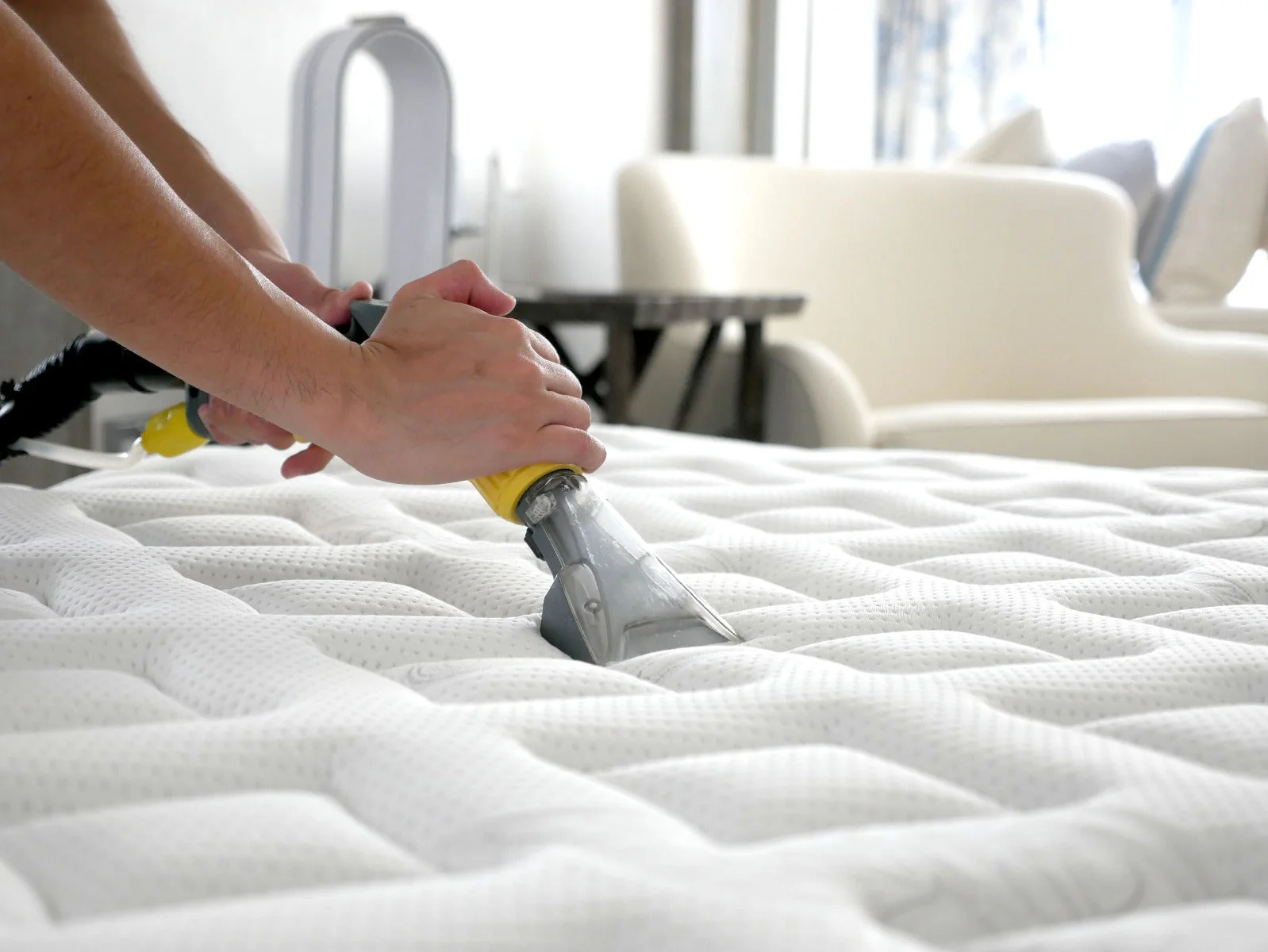
If left unchecked, your mattress can harbor millions of dust mites and develop persistent odors. The good news? Cleaning a mattress is straightforward with the right method. This guide shows you how to clean a mattress using simple household supplies, plus specific techniques for removing urine stains, blood stains, and drying wet mattresses.
What You’ll Need
Cleaning supplies:
- Vacuum with upholstery attachment
- Baking soda (1-2 cups)
- Cold water
- Clean white cloths or towels
- Gentle laundry detergent (bleach-free, unscented)
- Dish soap or enzyme cleaner
Important: Avoid harsh chemicals, bleach, or scented products that can damage mattress fabric or leave residue.
Why Regular Mattress Cleaning Matters
Your mattress accumulates more than you think. Studies show the average mattress can harbor 100,000 to 10 million dust mites, feeding on the dead skin cells you shed each night (about 1.5 grams daily). These microscopic pests and their waste are major allergen triggers causing sneezing, congestion, and asthma symptoms.
Beyond dust mites, your mattress collects:
- Body oils and sweat: Up to a pint of sweat per night during summer
- Dead skin cells: Primary food source for dust mites
- Bacteria and fungi: Thrive in warm, moist environments
- Pet dander: If pets sleep on your bed
- Outdoor allergens: Pollen, dust, and debris
Regular cleaning every 6 months removes these contaminants, improves air quality in your bedroom, and can extend your mattress lifespan from 7-8 years to 10+ years—protecting your $800-2,000 investment.
8 Steps to Clean a Mattress
Step 1: Strip and Wash Bedding
Remove all sheets, pillowcases, blankets, and mattress protectors. Wash bedding in hot water (130°F minimum) to kill dust mites effectively, following care label instructions to prevent shrinkage or fading.
Check pillow labels—many are machine washable and should be washed 2-3 times per year. Wash blankets every 1-2 weeks if they touch your skin directly, monthly for throws.
Pro tip: This is also the perfect time to inspect your mattress protector for wear and tear. Replace it if you notice any holes or if the waterproof layer is failing.
Step 2: Assess Damage and Identify Stains
Examine your mattress carefully in good lighting. Look for:
- Yellow or brown stains (sweat, urine, body oils)
- Red or rust-colored spots (blood, bedbugs)
- Dark spots or musty smell (potential mold—serious concern)
- Overall discoloration (age and general wear)
The cleaning approach varies significantly:
- Routine maintenance: Light vacuuming and baking soda refresh
- Fresh spills: Immediate spot treatment prevents permanent stains
- Set stains: Require targeted cleaning solutions and multiple treatments
- Extensive damage: May indicate replacement time
Stain identification guide:
- Biological stains (urine, blood, sweat): Yellowish, may smell, need enzyme cleaners
- Beverage stains (coffee, wine): Dark spots, require hydrogen peroxide
- General body oils: Yellow patches, especially in sleep areas
For specific problems, see our detailed guides on removing urine smell and getting blood out of mattress. If you discover a wet mattress from spills or leaks, check our emergency drying guide immediately.
Step 3: Vacuum Thoroughly
This step removes surface debris and prepares the mattress for deep cleaning. Use your vacuum’s upholstery attachment (the wide, flat one with fabric strips) to clean the entire surface.
Proper vacuuming technique:
- Start at the top of the mattress
- Work in slow, overlapping horizontal rows
- Apply firm, steady pressure (don’t rush)
- Vacuum each section 2-3 times
- Focus extra attention on seams and piping where dirt hides
- Use the crevice tool for tight corners and edges
- Vacuum all four sides of the mattress
What you’ll see: You might be shocked at how much dust collects in your vacuum, even if you clean regularly. This is normal—mattresses are dust magnets.
Step 4: Spot-Clean Stains
Never apply cleaning solution directly to your mattress—this can over-saturate the interior and lead to mold. Always apply to a cloth first.
Choosing the right cleaner:
For biological stains (urine, blood, sweat, vomit):
- Best option: Enzyme cleaner (breaks down protein-based stains)
- DIY alternative: 1 tablespoon dish soap + 2 cups cold water, mix until foamy, use only the foam
For other stains:
- Hydrogen peroxide method: Mix 1:1 with cold water (works on many stain types)
- Baking soda paste: Mix with water to form paste for stubborn spots
Step-by-step spot cleaning:
- Dip clean white cloth into cleaning solution
- Wring out thoroughly—cloth should be damp, not dripping
- Gently blot (press and lift) the stained area
- Work from outside edges toward center to prevent spreading
- Never scrub or rub aggressively (damages fabric fibers)
- Dampen a fresh cloth with cold water only
- Blot treated area to rinse out cleaning solution
- Repeat rinse 2-3 times to remove all soap residue
- Press dry towel firmly on area to absorb excess moisture
- Allow to air dry completely (1-2 hours) before next step
Important for memory foam: Use minimal liquid—barely dampen the cloth. Memory foam cannot tolerate moisture and won’t dry properly if over-saturated.
Stubborn stains: May require 2-3 treatment cycles. Some old, set stains may lighten but never fully disappear. If stains are extensive throughout the mattress, it may be time to consider replacement.
Step 5: Apply Baking Soda
Baking soda is the secret weapon for mattress cleaning. This natural product:
- Absorbs lingering moisture from spot cleaning
- Neutralizes odors (sweat, body oils, pet smells, mustiness)
- Draws out oils embedded deep in mattress fabric
- Leaves behind a fresh, clean scent
How much to use:
- Twin/Full: 1 cup
- Queen: 1.5-2 cups
- King: 2-3 cups
Application method:
- Pour baking soda into a fine-mesh strainer or flour sifter for even distribution
- Sprinkle a thin, even layer across the entire mattress surface
- Don’t dump in piles—aim for light, uniform coverage
- Gently rub into fabric with your hand (optional)
For extra freshness: Mix 10-15 drops of essential oil into baking soda before applying. Best options:
- Lavender: Promotes relaxation and sleep
- Tea tree: Natural antimicrobial properties
- Eucalyptus: Fresh, clean scent
Waiting period: Leave baking soda on mattress for minimum 8 hours (overnight is ideal). For extremely dirty mattresses or strong odors, leave up to 24 hours. Open bedroom windows during this time—fresh air circulation enhances the deodorizing effect and speeds drying.
Step 6: Vacuum Up Baking Soda
After the waiting period, thoroughly vacuum the entire mattress surface. This step is crucial—leftover baking soda will feel gritty against your sheets.
Vacuuming tips:
- Use the upholstery attachment
- Make slow, overlapping passes
- Vacuum each area multiple times
- Pay attention to seams and edges where powder accumulates
- Continue until no white powder is visible anywhere
Check your work: Run your hand across the mattress surface. It should feel completely smooth with no grainy texture.
Step 7: Flip or Rotate and Repeat
If mattress is flippable: Turn it over and repeat steps 3-6 on the other side.
If one-sided (memory foam, pillow top): Rotate 180 degrees head-to-foot. You can lean it against a wall to vacuum and air out the bottom surface.
Not sure if your mattress flips? Check the manufacturer’s label or website. Learn more about how to flip a mattress properly.
Step 8: Protect Your Clean Mattress
Before making the bed:
- Ensure mattress is completely dry
- Add a waterproof mattress protector to prevent future stains
- Replace with fresh, clean sheets
Regular maintenance: Wash sheets weekly, clean mattress every 6 months, rotate every 3 months.
Cleaning Different Mattress Types
Memory foam: Use minimal moisture—barely damp cloth for spot cleaning. Never saturate, as foam can’t dry properly and may develop mold.
Innerspring: Most forgiving type, can handle standard cleaning method well.
Latex: Naturally antimicrobial, resistant to dust mites. Can be cleaned more aggressively than foam.
Hybrid: Follow memory foam guidelines (minimal moisture) due to foam layers.
When to Replace Your Mattress
Sometimes cleaning isn’t enough. Replace your mattress if:
- It’s over 7-10 years old
- You see sagging, tears, or broken springs
- Stains are extensive and throughout
- Mold or mildew persists after cleaning
- You wake with aches or sleep poorly
Learn more in our guide: How often should you replace your mattress?
Frequently Asked Questions
How often should I clean my mattress?
Clean your mattress every 6 months for routine maintenance. Spot-clean spills immediately before stains set. Using a quality mattress protector reduces cleaning frequency. If you have allergies, pets, or young children, clean every 3-4 months.
When should I clean my mattress?
Clean in the morning so baking soda can sit for 8+ hours and you can make the bed by evening. Alternatively, clean the day before an overnight trip so baking soda can sit all night without disrupting your sleep.
Can I use a steam cleaner on my mattress?
Only if the manufacturer specifically allows it. Steam introduces significant moisture that can damage memory foam and create mold problems. Most mattresses should not be steam cleaned. Stick to the baking soda method for safe, effective cleaning.
How do I remove specific stains from my mattress?
For urine and pet stains, enzyme cleaners work best—see our complete urine odor removal guide. For blood stains, always use cold water (hot sets the stain)—check our blood stain removal guide. For general stains, use dish soap and water or hydrogen peroxide solution.
How can I protect my mattress from getting dirty?
Use a waterproof mattress protector as the first line of defense. Wash sheets weekly to reduce allergen transfer to the mattress. Avoid eating or drinking in bed. Shower before bed to minimize body oil transfer. Consider a mattress encasement for full protection against allergens and spills.
The Bottom Line
Cleaning a mattress properly takes about 30 minutes of active work plus 8 hours for baking soda to work. The key steps are: vacuum thoroughly, spot-clean stains with minimal moisture, apply baking soda, wait 8+ hours, vacuum again, and flip or rotate.
Regular cleaning every 6 months extends your mattress lifespan, reduces allergens, and maintains sleep quality. Always use a mattress protector to minimize future cleaning needs.
About Palladecor: We provide expert home care guidance to help you protect your investments and maintain a healthy living environment.