
Blog
How to Get Urine Smell Out of Mattress: Complete Guide
Dealing with urine odor in your mattress is frustrating, but learning how to get urine smell out of a mattress is straightforward with the right method. To get urine smell out of a mattress: immediately blot excess liquid, spray with a vinegar-water solution, let sit 15 minutes, blot again, then cover with baking soda for 8+ hours before vacuuming. For set-in odors, baking soda paste or enzyme cleaners work effectively. Pet urine requires specialized enzyme cleaners due to higher concentration.
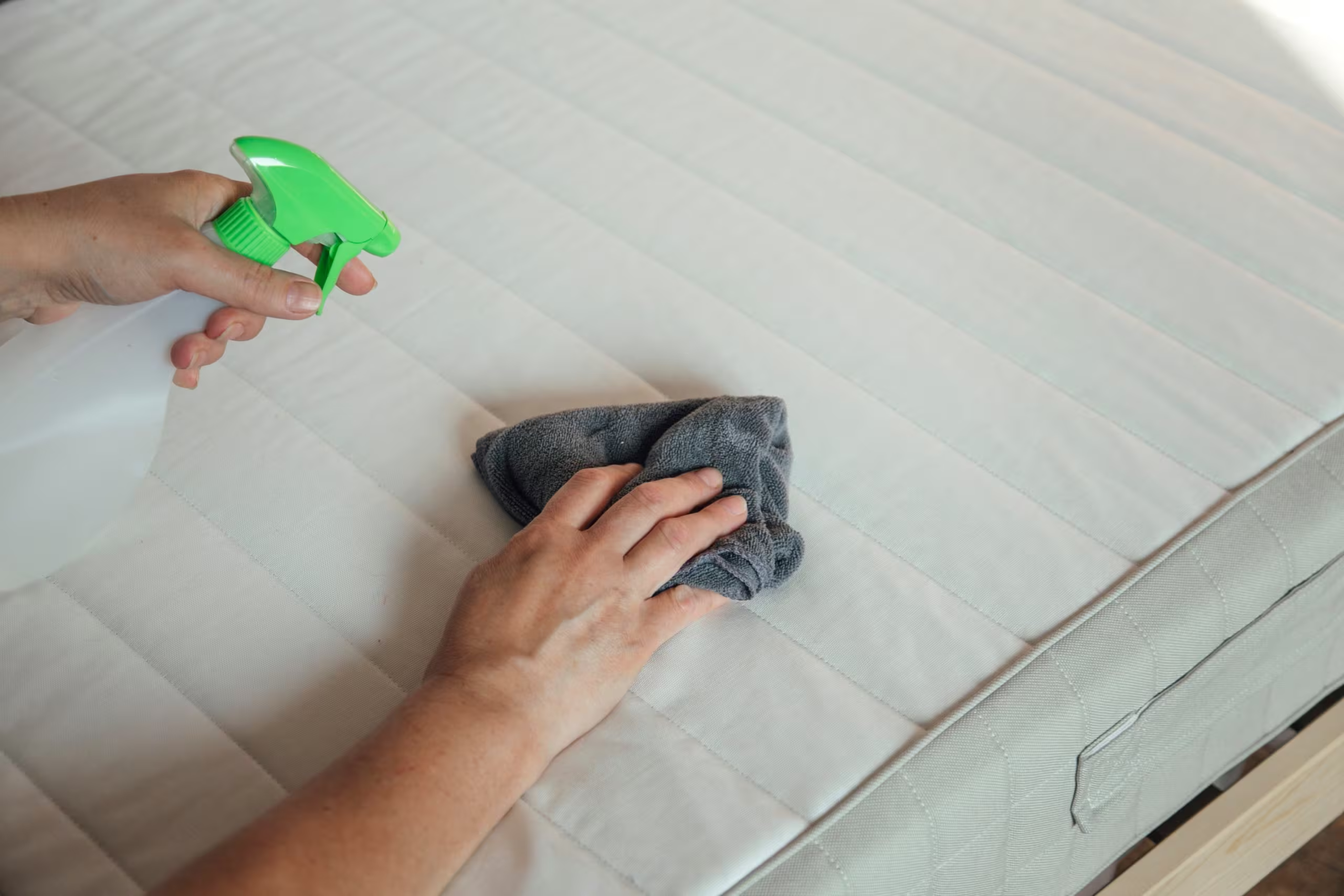
The key to eliminating urine smell is acting fast—fresh accidents are much easier to treat than dried stains. However, even old, set-in odors can be removed with persistence and the right cleaning method. This comprehensive guide covers everything about how to get urine smell out of a mattress, whether from children, adults, or pets.
Why Urine Smell Is So Difficult to Remove
Understanding why urine smells persist helps you eliminate them more effectively. Whether you’re dealing with how to get pee out of a mattress from children or pets, the underlying challenge is the same.
Uric acid crystals: Urine contains uric acid that forms crystals as it dries. These crystals bond to fabric fibers and release odor when they get damp (from humidity or body heat), which is why urine smell returns even after cleaning.
Deep penetration: Liquid soaks quickly into mattress layers, especially foam. The deeper it goes, the harder odor removal becomes.
Bacterial growth: Bacteria feed on urine components, creating additional odors beyond the original accident.
Foam mattresses: Memory foam and all-foam beds absorb liquids rapidly and hold moisture longer than innerspring mattresses, making odor removal more challenging.
Pet urine concentration: Animal urine is more concentrated than human urine, containing higher levels of ammonia and uric acid. This creates stronger, more persistent odors requiring enzyme cleaners specifically designed to break down these compounds.
Act Fast: Why Immediate Action Matters
The 24-hour window: Fresh urine is significantly easier to remove than dried stains. Within 24 hours, urine begins setting into fabric fibers and forming stubborn uric acid crystals.
Cost savings: Acting immediately can save your $800-2,000 mattress. Severe, untreated urine damage often requires replacement.
Health concerns: Urine creates unsanitary sleeping conditions and can trigger allergies or respiratory issues if left untreated.
Preventing repeat incidents: Lingering urine smell signals to pets that it’s acceptable to urinate there again. Complete odor removal is essential for preventing future accidents.
What You’ll Need
For fresh accidents:
- Clean towels or paper towels (10-15)
- Empty spray bottle
- Cold water
- Distilled white vinegar
- Mild laundry detergent
- Baking soda (1-2 cups)
- Vacuum with upholstery attachment
For dried stains and strong odors:
- Hydrogen peroxide 3% (for stubborn stains)
- Enzyme cleaner (essential for pet urine)
- Scrub brush or old toothbrush
- Mixing bowl
Optional:
- Wet/dry vacuum (extracts more moisture)
- Essential oils (lavender or eucalyptus for scent)
Never use:
- Bleach (damages fabric, harmful to breathe)
- Steam cleaner (adds moisture, spreads urine)
- Ammonia-based cleaners (smells like urine, confuses pets)
- Hot water (sets protein-based stains—similar issue when learning how to get blood out of a mattress)
How to Remove Fresh Urine Smell: Step-by-Step
When you discover a fresh accident, follow these steps immediately for complete odor removal.
Step 1: Strip Bedding and Launder
Remove all sheets, pillowcases, blankets, and mattress protectors touching the affected area.
Washing instructions:
- Wash immediately in hot water (don’t let sit in hamper)
- Add 1 cup white vinegar and 1 cup baking soda to load
- Use regular detergent as well
- Dry completely before returning to bed
Why this matters: Soiled bedding can transfer odor back to your cleaned mattress if not properly laundered.
Step 2: Blot Excess Urine
Critical technique—blot, don’t rub:
- Place clean, dry towels directly on wet spot
- Press down firmly with hands or stand on towels
- Lift towels and check moisture absorption
- Replace with fresh towels
- Repeat until towels come away barely damp (typically 5-10 towel changes)
Common mistake: Rubbing or scrubbing pushes urine deeper into mattress layers, making removal much harder.
Wet/dry vacuum option: If available, use after towel blotting to extract even more moisture from deep layers.
Goal: Remove 70-80% of liquid at this stage. The less urine remaining, the easier complete odor elimination.
Step 3: Create Vinegar Cleaning Solution
Recipe:
- 1 cup cold water
- 1 cup distilled white vinegar
- 1-2 tablespoons mild laundry detergent
Why these ingredients work:
- Vinegar: Acid breaks down uric acid crystals, neutralizes ammonia
- Detergent: Lifts urine compounds from fabric fibers
- Cold water: Hot water sets protein-based stains permanently
Mix in spray bottle: Shake well to combine all ingredients.
Step 4: Spray and Soak Affected Area
- Spray solution generously over entire urine-affected area
- Don’t skimp—solution needs to penetrate as deep as urine went
- Spray beyond visible stain edges (urine spreads wider than you see)
- Let solution sit 10-15 minutes to break down urine compounds
For large accidents: You may need to make multiple batches of solution to treat the entire area adequately.
Step 5: Blot Solution with Clean Towels
After 15-minute waiting period:
- Use fresh, clean towels
- Blot treated area thoroughly
- Press firmly to absorb cleaning solution and dissolved urine
- Continue until area is damp but not soaking
- Replace towels as they become saturated
Step 6: Apply Baking Soda Generously
Baking soda is your secret weapon against urine odor.
Application:
- Sprinkle thick, even layer over entire treated area (don’t be stingy—use 1-2 cups)
- Spread slightly beyond wet spot edges
- Gently pat or press into fabric surface
- Leave undisturbed for minimum 8 hours (overnight ideal)
- For strong odors, leave up to 24 hours
How baking soda works:
- Absorbs remaining moisture
- Neutralizes acidic urine odor
- Draws uric acid crystals to surface for removal
- Leaves fresh, clean scent
Step 7: Vacuum Thoroughly and Inspect
After waiting period:
- Vacuum entire treated area using upholstery attachment
- Make slow, overlapping passes
- Vacuum until no baking soda powder visible
- Smell treated area closely for any lingering odor
- Feel surface—should be completely dry
If odor remains: Repeat steps 3-7. Some accidents require 2-3 treatment cycles for complete odor elimination.
Removing Set-In Urine Odor: Two Effective Methods
Discovered an old, dried urine stain with persistent smell? These proven methods tackle stubborn odors when you need to know how to get pee out of a mattress that’s been there for days or weeks.
Method 1: Baking Soda Paste (Natural, Powerful)
Best for: Strong odors, eco-conscious cleaning, households with sensitivities
What you’ll need:
- 1 cup baking soda
- 1 cup distilled white vinegar
- Large mixing bowl (reaction creates foam)
- Scrub brush or old toothbrush
- Vacuum
Step-by-step:
1. Create paste over sink:
- Combine equal parts baking soda and vinegar in bowl
- Mixture will foam vigorously—this is normal
- Mix over sink to contain overflow
- Stir until foaming subsides and paste forms
2. Apply thick layer:
- Spread paste generously over odor area
- Layer should be 1/4-1/2 inch thick
- Cover beyond visible stain edges
3. Scrub into fabric:
- Use scrub brush in circular motions
- Work paste deep into fabric fibers
- Scrub 2-3 minutes
- For small stains, old toothbrush works well
4. Let dry completely:
- Allow paste to sit 2-4 hours
- Paste will harden and change color as it pulls odor out
- Longer drying time (up to 8 hours) for severe odors
5. Vacuum dried paste:
- Vacuum thoroughly with upholstery attachment
- Remove all residue
- May need multiple passes for complete removal
6. Sniff test and repeat:
- Smell area after vacuuming
- Let air out 15-20 minutes
- If odor lingers, repeat entire process
- Stubborn odors may require 2-3 applications
Why this works: Chemical reaction between baking soda and vinegar creates carbonic acid that penetrates deep into mattress, breaking down uric acid crystals that cause persistent odor.
Method 2: Hydrogen Peroxide Solution (For Stubborn Stains)
Best for: Old, set-in stains with visible discoloration and strong odor
Important warnings:
- Can damage memory foam or latex—test small area first
- May lighten or discolor some fabrics
- Avoid spraying bedding, carpet, or surrounding areas
What you’ll need:
- 1 cup (8 oz) hydrogen peroxide 3%
- 3 tablespoons baking soda
- Few drops dish soap or liquid laundry detergent
- Spray bottle
- Vacuum
Step-by-step:
1. Mix solution in spray bottle:
- Add 1 cup hydrogen peroxide
- Add 3 tablespoons baking soda
- Add 2-3 drops dish soap
- Shake gently to combine (mixture will foam slightly)
2. Test on inconspicuous area:
- Spray small amount on mattress side or corner
- Wait 5 minutes
- Check for discoloration or damage
- Proceed only if no adverse reaction
3. Spray stain conservatively:
- Start with light application
- Spray just enough to dampen stain
- Don’t over-saturate (especially on foam)
- Let sit 5-10 minutes
4. Air dry completely:
- May take several hours
- Use fans to speed drying
- Baking soda will form light residue on surface
5. Vacuum residue:
- Once completely dry, vacuum thoroughly
- Remove all baking soda powder
- Check for remaining odor
6. Repeat if necessary:
- Stubborn stains require multiple treatments
- Wait 24 hours between applications
- Usually takes 2-4 cycles for complete removal
Why this works: Hydrogen peroxide is natural bleaching agent that oxidizes urine compounds, breaking down both stains and odor-causing molecules. Baking soda enhances cleaning power while absorbing odors.
Pet Urine: Special Treatment Required
Pet urine requires different approach than human urine due to higher concentration and different chemical composition.
Why Pet Urine Is More Challenging
Higher ammonia content: Creates stronger, more pungent odor
Concentrated uric acid: More crystals form, making odor extremely persistent
Pheromones and hormones: Signal to pets that it’s acceptable to urinate there again
Marking behavior: Pets return to same spot if they can smell urine, creating recurring problem
Use Enzyme Cleaners for Pet Accidents
What are enzyme cleaners? Specially formulated products containing biological enzymes that break down proteins, uric acid, and ammonia in pet urine. They don’t just mask odor—they eliminate it at molecular level.
Why vinegar doesn’t work for pets: Strong vinegar smell can trigger marking behaviors in some pets, potentially causing more accidents.
How to use enzyme cleaners:
1. Choose right product:
- Pet-specific enzyme cleaner (dog vs. cat formulas differ)
- Look for “urine neutralizer” or “odor eliminator” on label
- Check reviews for effectiveness
2. Follow product instructions:
- Each brand has specific application guidelines
- Most require saturation of affected area
- Some need multiple applications
3. Typical process:
- Remove bedding and blot excess moisture
- Spray or pour enzyme cleaner generously on stain
- Ensure cleaner penetrates as deep as urine went
- Let sit for time specified (usually 10-15 minutes)
- Blot with clean towels
- Allow to air dry completely (may take 24 hours)
4. Repeat as needed:
- Pet urine often requires 2-3 enzyme treatments
- Wait for complete drying between applications
- Continue until all odor eliminated
Recommended features in enzyme cleaners:
- Non-toxic and pet-safe
- Biodegradable
- Contains deterrent ingredients (citrus or eucalyptus) to prevent remarking
- Suitable for your specific mattress type
How to Prevent Future Urine Accidents
Prevention saves time, money, and frustration. Implement these strategies:
For Children and Bedwetting
Before bedtime:
- Limit fluids 1-2 hours before sleep
- Allow small sips of water if thirsty
- Avoid caffeine completely (soda, tea, chocolate)
- Schedule bathroom visit right before bed
Nighttime routine:
- Set alarm to wake child for bathroom visit (around 11pm-midnight)
- Gradually reduce frequency as accidents decrease
- Use positive reinforcement, never punishment
- Consider bedwetting alarm for persistent issues
Mattress protection:
- Waterproof mattress protector (essential investment)
- Disposable bed pads for extra protection
- Washable mattress pad over protector
For Pets
Regular bathroom schedule:
- Take dogs outside every 2-3 hours
- Always before bedtime and first thing in morning
- After meals and playtime
- Watch for signs they need to go (sniffing, circling, whining)
Litter box maintenance:
- Clean daily (cats won’t use dirty boxes)
- One box per cat plus one extra
- Place in accessible, quiet locations
Training and behavior:
- Clean accidents immediately with enzyme cleaner
- Never punish (creates anxiety, worsens problem)
- Consult vet if sudden behavior change (may indicate medical issue)
- Keep pets off bed if marking pattern established
Deterrents:
- Pet training mats with unpleasant texture
- Aluminum foil on bed (temporary deterrent)
- Close bedroom door if necessary
- Remove bedding with strong pet odors
Universal Prevention
Waterproof mattress protector (non-negotiable):
- Creates barrier between body and mattress
- Blocks liquid from penetrating mattress layers
- Easily removable and machine washable
- Costs $30-100—far less than mattress replacement
- Maintains mattress warranty (many void coverage for liquid damage)
Regular cleaning routine:
- Wash sheets weekly
- Vacuum mattress monthly
- Deep clean mattress every 6 months
- Inspect for stains or odors regularly
Address underlying causes:
- Medical issues (urinary tract infections, incontinence)
- Pet health problems
- Anxiety or stress
- Sleep disorders
Frequently Asked Questions
How long does urine smell last in a mattress?
Without treatment, urine smell can last indefinitely because uric acid crystals bond to fabric fibers and reactivate when exposed to moisture or heat. With proper cleaning using vinegar or enzyme solutions and baking soda, fresh urine smell can be eliminated in 24-48 hours. Old, set-in odors may require multiple treatments over several days but are still removable.
Will baking soda remove urine smell from mattress?
Yes, baking soda effectively removes urine smell by absorbing moisture and neutralizing acidic odors. For fresh accidents, sprinkle baking soda and let sit 8-24 hours before vacuuming. For stronger odors, make baking soda paste with vinegar, scrub into mattress, let dry, and vacuum. Baking soda works on both human and pet urine, though pet accidents benefit from enzyme cleaner first.
Can I use vinegar to clean urine from mattress?
Yes, vinegar effectively breaks down uric acid crystals and neutralizes ammonia in urine. Mix equal parts water and distilled white vinegar with 1-2 tablespoons laundry detergent, spray on affected area, let sit 15 minutes, then blot and apply baking soda. However, avoid vinegar for pet accidents as the strong smell may trigger marking behaviors—use enzyme cleaner instead.
How do enzyme cleaners work on urine?
Enzyme cleaners contain biological enzymes that break down proteins, uric acid, and ammonia in urine at the molecular level, completely eliminating odor rather than just masking it. They’re especially effective for pet urine due to higher concentration. Apply generously, ensuring cleaner penetrates as deep as urine, let sit 10-15 minutes, then blot and air dry. Multiple applications may be needed for stubborn odors.
Can you remove old dried urine smell from a mattress?
Yes, old urine smell is removable with persistence. Use baking soda paste method: mix equal parts baking soda and vinegar, scrub thick layer into affected area, let dry 2-4 hours, vacuum, and repeat as needed. Alternatively, use hydrogen peroxide solution (test first on inconspicuous area). Old odors typically require 2-4 treatment cycles over several days but are fully removable.
Should I replace my mattress if it smells like urine?
Not necessarily. Most urine odors are removable with proper cleaning, even set-in smells. Try baking soda paste or enzyme cleaner methods first. Replace only if: urine has caused structural damage, mold has developed, smell persists after multiple thorough cleaning attempts, or mattress is already 7-10 years old (near end of expected lifespan). Learn more about when to replace your mattress.
The Bottom Line
Getting urine smell out of a mattress is completely achievable with the right approach. For fresh accidents, immediately blot liquid, spray with vinegar solution, wait 15 minutes, blot again, and cover with baking soda for 8+ hours before vacuuming. For set-in odors, use baking soda paste or hydrogen peroxide solution. Pet urine requires enzyme cleaners specifically designed to break down concentrated animal urine compounds.
Key reminders:
- Act fast—fresh urine is much easier to remove than dried
- Never use bleach, ammonia, or steam cleaners
- Always blot, never rub or scrub
- Baking soda is your best friend for odor elimination
- Pet accidents need enzyme cleaners to prevent remarking
- Invest in waterproof mattress protector for future protection
A waterproof mattress protector ($30-100) is the single most effective prevention tool, saving you time, effort, and potentially thousands in replacement costs.
About Palladecor: We provide expert guidance on home care and mattress maintenance, helping you protect your investments and create healthy, fresh living spaces.